
7 Mobile Photography Tricks for Better Phone Photos

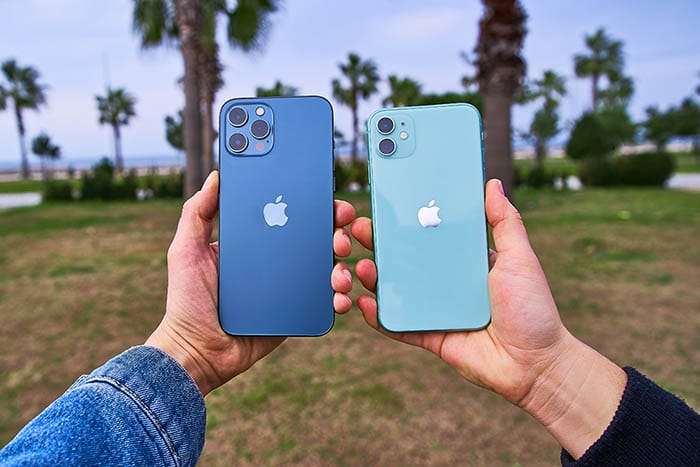
Newest Apple iPhone 12 pacific blue color and Apple iPhone 11 mint green color in hands

7 Mobile Photography Tricks

A few simple tricks transform your phone photos – from cleaning the lens and locking focus to using gridlines and editing. The key is treating your phone like a real camera. Here are mobile photography tricks that make a big difference.

Mobile photography has come a long way since the first camera phone was introduced. Today, smartphones are equipped with high-quality cameras that can take stunning photos.

However, taking great photos with your phone requires more than just pointing and shooting. Here are some mobile photography tricks that can help you take better photos with your phone.

1. Look for the Best Light

Lighting is super important in photography. Look for good light sources, like natural light or well-lit areas, to make your photos shine. Avoid taking pictures in dark places, as they can turn out blurry or grainy.

2. When to (and not) Use the Flash

Using flash can be handy, but it’s not always necessary. In low-light situations, the flash can create weird shadows and wash out colours. Instead, try adjusting the exposure or ISO settings on your phone to let in more light.

3. Front Facing v Rear Facing Cameras

Selfies are fun, but did you know that the rear-facing camera often takes better quality photos? When capturing yourself or others, use the back camera for more detailed shots.

Download the iCAMERA eBook

Get started with your camera and we’ll also send you the latest photo guides and amazing deals straight to your inbox.

Already a member? Click here to login and download this eBook.

4. Don’t use Digital Zoom on Mobiles

Zooming in might seem tempting, but it can make your pictures look pixelated or blurry. Instead, get closer to your subject or take the photo as it is and crop it later for better results.

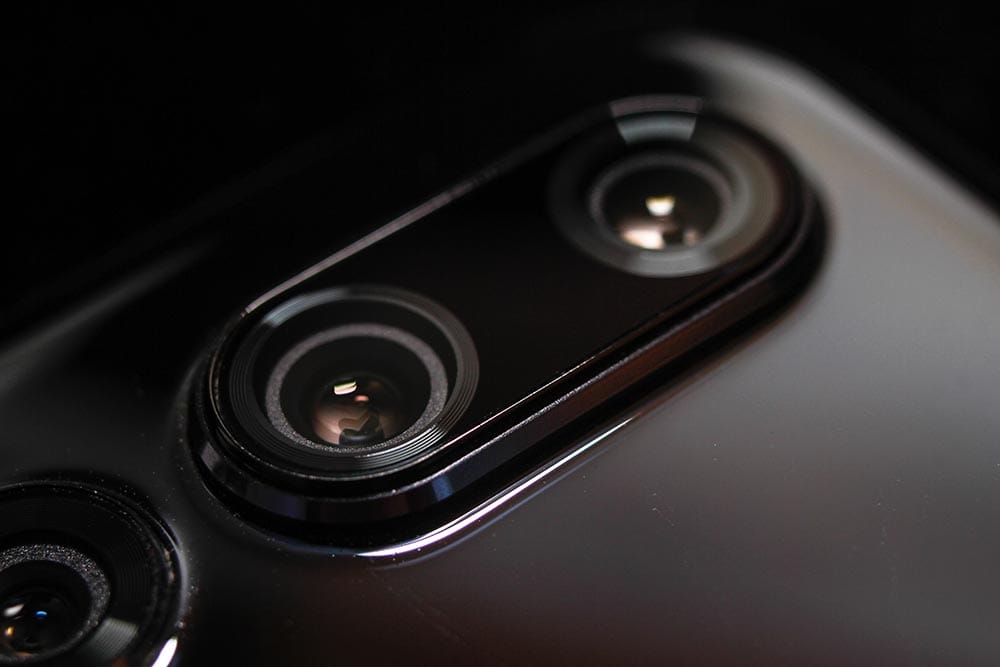
Back cameras for smartphone or cell phone. Close up macro photography.

5. Be Steady with your Mobile Photography

Shaky hands can ruin a great shot. To avoid blurry images, hold your phone with both hands and keep your elbows close to your body. If you want extra stability, use a tripod or rest your phone on something solid.

6. Don’t Forget to Focus

Make sure your subject is in focus! When you tap the screen, most phones automatically focus on what you tapped. But you can also tap on the screen where you want the focus to be manually.

7. Adjust the Exposure Manually

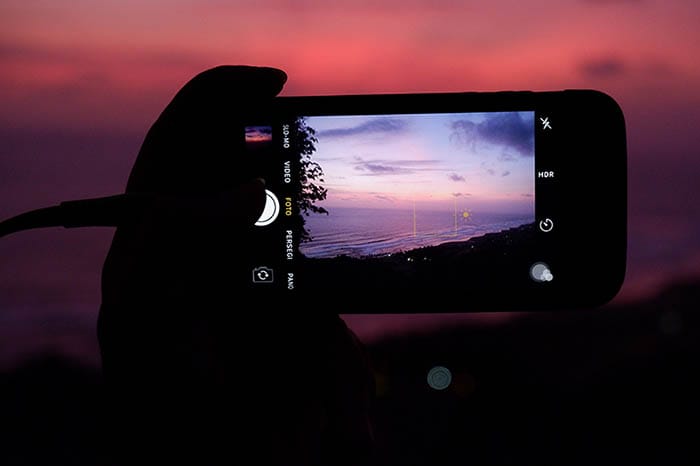
Exposure controls how much light enters your camera. Most phones have automatic exposure, but you can also adjust it manually. Simply tap on the screen and slide up or down to increase or decrease the exposure.

woman taking a photo of dusk beach in low light

7 Mobile Photography Tricks: Summary

I hope these tips help you take better photos with your phone! If you have any other tips or tricks that you’d like to share, feel free to let me know!

For more, read our guide to iPhone photography.

Frequently Asked Questions

What are the best mobile photography tricks?

Clean the lens, tap to set focus and exposure, use the gridlines for composition, shoot in good light, move closer rather than zooming, hold steady (or brace), and edit your shots. Small habits make a big difference.

How do I take sharper photos on my phone?

Clean the lens, tap to focus, hold the phone steady (brace against something or use a small tripod), and shoot in good light. Avoid digital zoom, which softens the image, move closer instead.

Should I use my phone’s zoom?

Avoid digital zoom, it crops and lowers quality. Move closer instead, or use a true optical/telephoto lens if your phone has one. Optical zoom keeps quality; digital does not.

How do I improve composition on my phone?

Turn on the gridlines and use the rule of thirds, get closer, change your angle (low or high), and simplify the frame. Composition matters far more than the phone you use.

Should I edit my phone photos?

Yes, a little editing (exposure, contrast, colour, crop) lifts most phone photos. Use the built-in editor or an app, keep it natural, and shoot in the highest quality or RAW mode for more flexibility.

Last updated: June 2026.

Table of Contents