With a galaxy of possibilities, you’ll never stop discovering magical moments of night sky photography
Ever since we first glanced up at the night sky, photographers have been fascinated by the stars and what lies beyond them.
This is what makes astrophotography magical and mind-blowing!
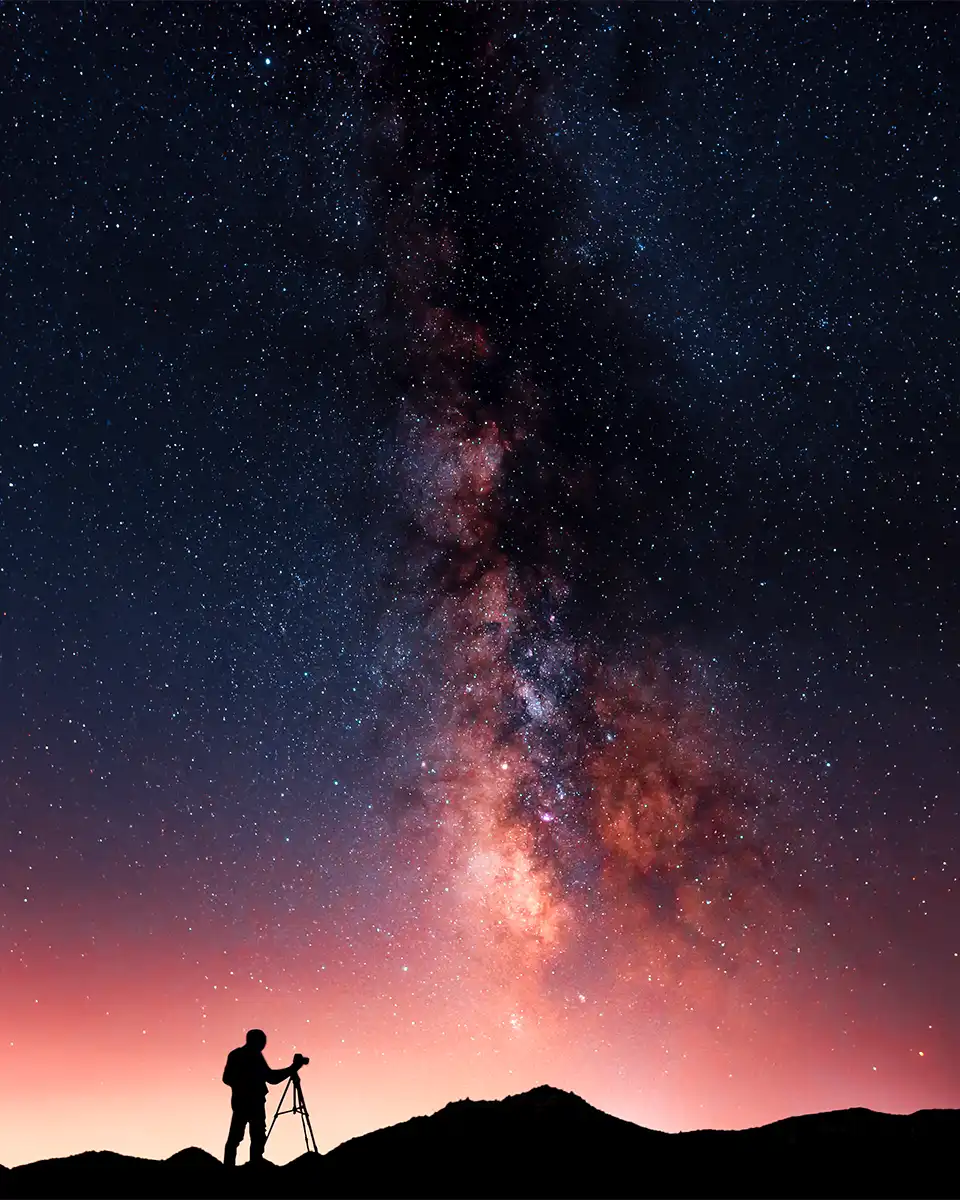
Astrophotography enables you to capture the night in its most spectacular state, from stunning starry skies to the Milky Way. It unlocks the parts of the universe that your eyes alone could never see – such as distant galaxies and nebulae.
Ever since we first glanced up at the night sky, photographers have been fascinated by the stars and what lies beyond them.
This is what makes astrophotography magical and mind-blowing!
Astrophotography enables you to capture the night in its most spectacular state, from stunning starry skies to the Milky Way. It unlocks the parts of the universe that your eyes alone could never see – such as distant galaxies and nebulae.
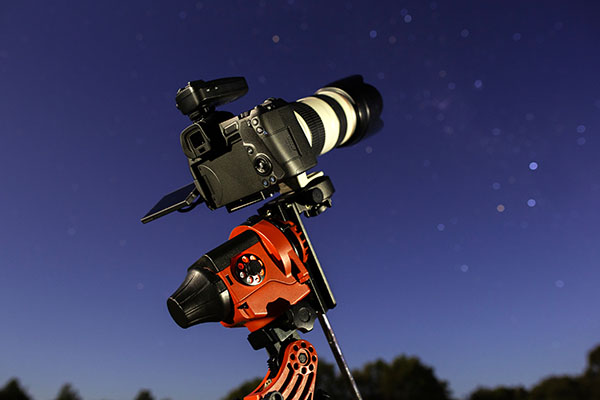
Discover the basics of Astrophotography and what type of camera and star tracker you'll might need to get started.
Should you shoot single exposures, stacked images, or startracked? You’ll discover them all alongside the astrophotography camera settings you need.
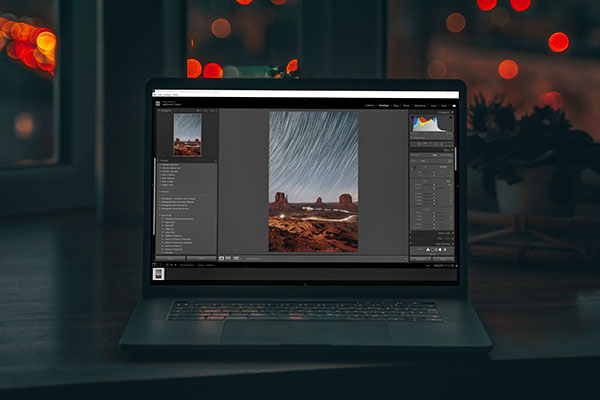
Bring your astro photos to life with an incredible edit. Learn how to increase sharpness, detail and colour in your night sky shots using Lightroom.
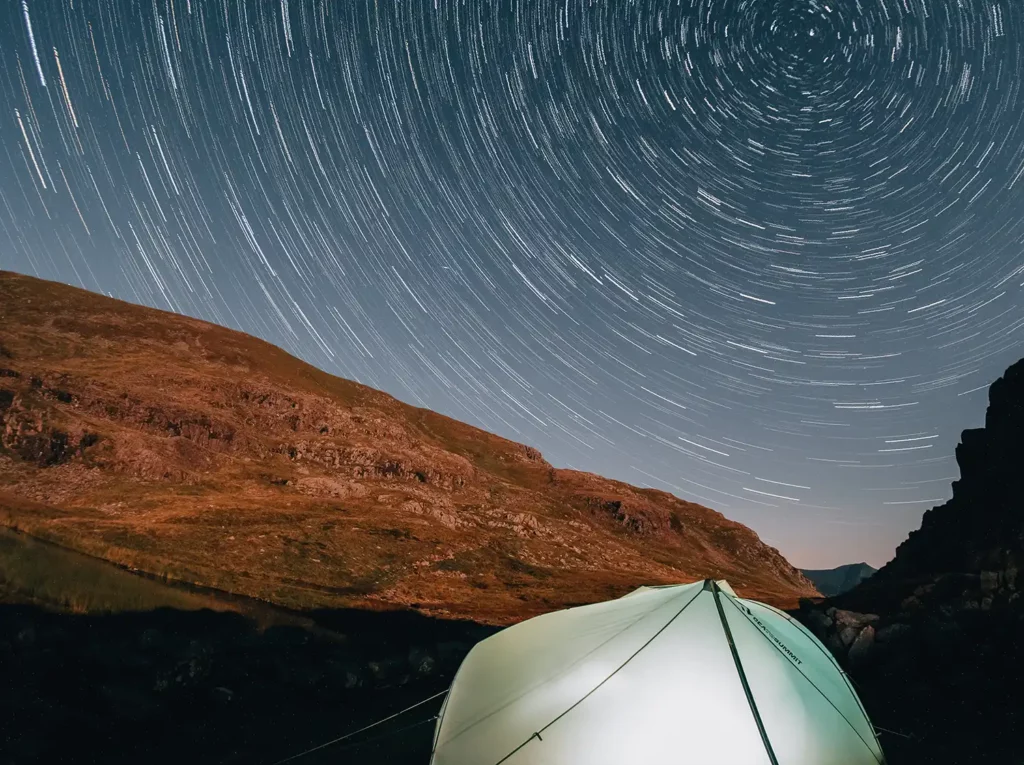
In Astrophotography For Beginners, everything is demonstrated and explained in clear, easy-to-follow steps by an expert astrophotographer and entertaining instructor.
What’s more, you don’t need specialist equipment or expensive telescopes to capture breathtaking night sky images — you just need the know-how.
You can start today with the DSLR camera you already own. And you’ll even learn how to use your phone or tablet for finding spectacular galaxies and star constellations.
In Astrophotography For Beginners, everything is demonstrated and explained in clear, easy-to-follow steps by an expert astrophotographer and entertaining instructor.
What’s more, you don’t need specialist equipment or expensive telescopes to capture breathtaking night sky images — you just need the know-how.
You can start today with the DSLR camera you already own. And you’ll even learn how to use your phone or tablet for finding spectacular galaxies and star constellations.
This iPhotography course is fully backed and certified from our training verification service CPD.
You can rest assured that you’re getting the best online training which is held to the highest standards from an independent service.
All iPhotography courses come with a free downloadable CPD verified certificate. Selected courses allow you to upgrade to a premium hard copy delivered to your door with free worldwide P&P.
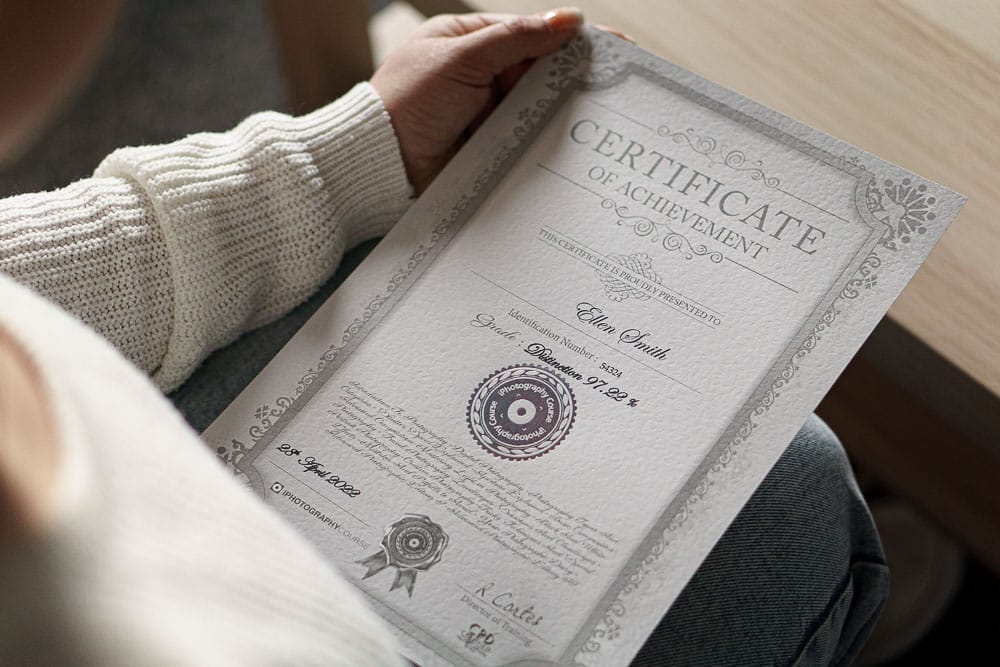
This iPhotography course is fully backed and certified from our training verification service CPD.
You can rest assured that you’re getting the best online training which is held to the highest standards from an independent service.
All iPhotography courses come with a free downloadable CPD verified certificate. Selected courses allow you to upgrade to a premium hard copy delivered to your door with free worldwide P&P.
Click the tabs below for an overview of what you’ll discover inside each lesson of the Astrophotography Course:
In Module One, we start with the basics of astrophotography and lay the foundations for a lifelong, captivating journey:
You’ll discover…
In Module Two, you can watch and follow along with Emily on location as she guides you step by step through the practical aspects of astrophotography.
You’ll discover...
In Module 3 you’ll review your shots, then you can watch, learn, and follow along as you discover photo editing for astrophotography.
You'll discover...
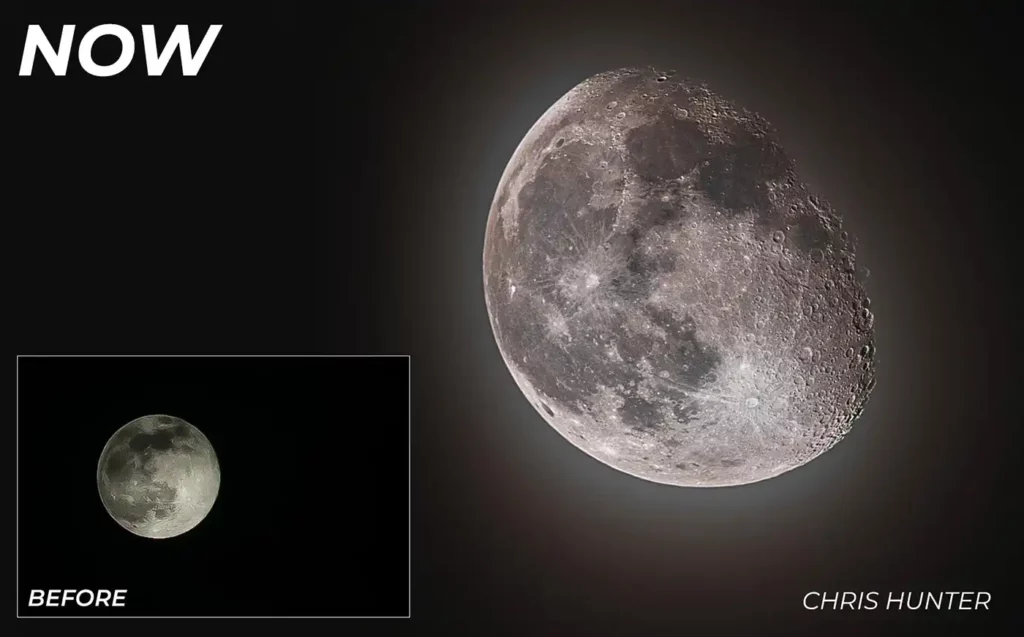
In Module 4 you’ll discover the secrets to capturing and editing pin-sharp shots of the moon.
You’ll discover...
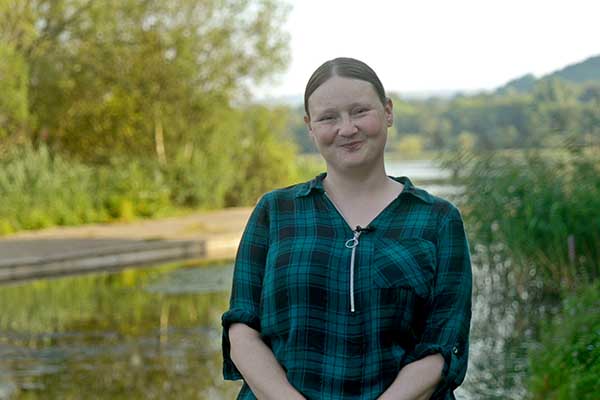
The Astrophotography course for beginners is designed and presented by iPhotography Instructor and passionate astrophotographer, Emily Lowrey.
When she’s not shooting weddings, you’ll find her shooting the stars and distant galaxies!
In this course, Emily has broken down many years of astrophotography experience into simple steps that anyone can follow to achieve spectacular results.
Packed with PDF sheets, lighting diagrams, ebooks and posing guides our download library has lots of resources.
We've got a free photo editor built in to our site. Learn to tweak your photos without spending money on software.
Get access to our private feedback gallery. Upload your photos and get ratings from course students and tutors.
Separate to your courses videos our media library has hundreds of other training tutorials waiting for you.
We offer a full 30-Day Money Back Guarantee. If you are at all unhappy with the Astrophotography course, for any reason, just let us know and we’ll issue a full refund.
Astrophotography for Beginners breaks down the essential training you need into 21 frustration-free lessons so that you can achieve impressive results as quickly as tonight – and without the need for specialist gear.
Hit the button below and you’ll get instant, lifetime access to the Astrophotography for Beginners course.

Yes! This is exactly what this introduction to Astrophotography course has been designed for. We’ll guide you through what equipment you’ll need and how to set it up correctly with clear, jargon-free instructions and demonstrations.
From choosing the right shutter speed, aperture, ISO, to focus and exposure modes – you’ll learn it all. Everything is laid out in simple to follow steps and explained clearly by a highly experienced teacher and Astrophotographer.
Yes. Ideally if you would like to render the best possible versions of your astro photos we’d recommend subscribing to Adobe Lightroom to be able to follow along to this course perfectly.
Your course instructor Emily Lowrey uses Lightroom Classic to edit the photos she takes during the course.
While other photo editing software may be compatible in parts, we can only guarantee 100% compatibility when using Adobe Lightroom Classic.
This is an Astrophotography Course for Beginners and it assumes no prior knowledge, experience or specialist equipment. We’ve designed this course to be simple to follow for everyone who is interested in capturing spectacular night sky photos, galaxies, star trails, nebulae and more.
Whether you have a DSLR or a Mirrorless camera, this course guides you through how to get started with Astrophotography and how to edit your photos for awe-inspiring results.
This is an introduction to Astrophotography Course, which is designed to get you started right away by teaching you the basics of shooting and editing the night sky, using the camera you already own.
If you’re a competent or knowledgeable astrophotographer already, or looking to learn advanced techniques then this introductory course may not be for you.
On the other hand, if you’re new to Astrophotography and intrigued to learn how to shoot the stars and produce some incredible night sky shots, then this is absolutely the course to get you started.
Do you want to know how to stack images for astrophotography? Where to focus etc? This Astrophotography for Beginners Course will give you all the guidance to get started and give you practical tips and techniques for shooting in the dark.
You’ll learn how to use startrackers, timelapses for incredible milky way videos, and all the DSLR or Mirrorless settings on your camera.
This course is spread over 21 individual lessons which are divided into 4 entertaining modules. It has been designed to be low-impact and time-saving.
These lessons combined should take you around 2 hours to complete.
You’ll get lifetime access to the course content so you can review them again and again and even shoot and edit alongside course instructor Emily Lowrey, as she walks you through the steps for producing incredible night sky shots!
Read some of the independent reviews posted about iPhotography™ on Facebook, Trustpilot & Google Reviews:
Before you leave, make sure you’ve secured your FREE online photography course (worth £29.99)
Each class is just 60-seconds or less making it the fastest and easiest way to learn photography!