

 Stephen Walton
Knowing how to take photographic feedback when you receive it 99.9% of the time is a positive experience, or at least it should be.
Us iPhotography tutors spend our working lives reviewing and critiquing photographs in the iPhotography gallery. We’ve become pretty adept at spotting issues and helping students understand how to rectify them – as well as praising excellent work!
I’ve previously written about how to give feedback to others (read that here) so now we’re turning the tables to give you 5 tips on how to take photography feedback.
The worst thing you can ever do when reading your photo’s comments is to think everyone is wrong. If you do this, you’re killing your own photography out of spite.
It’s imperative to accept and acknowledge all feedback whether you initially agree with it or not. Taking a moment to reflect on what’s being said will make you more likely to improve as a photographer and as a creative.
If you can forget that the photo is yours. Judge it yourself as if it were a strangers. Do you agree with the comments? It’s a hard viewpoint to stand at as art is a personal (and spiritual) pursuit so when you get constructive criticism it hits deeper than most – but remember that word, constructive.
No one is out to bash you on purpose – at least not in the iPhotography gallery.
There’s no harm in seeing if that feedback makes improvements right? It could just be as simple as tweaking your slanted horizon, making a black and white version, adding a colour splash, adjusting the colour temperature or cropping in further.
All of this can be done in editing – so you don’t need to take the shot again.
If feedback pertains to taking the shot again then just make a mental note and remember to watch out the next time your shoot. Keep a little note on your phone.

Following on from testing the changes it’s now solely down to you to decide if the advice was right – or at least if your creative eye agrees. Photography, like any art, is subjective. There is no hard right or wrong – it’s a personal interpretation.
Therefore you need to honestly decide if you like the changes more than the original. There is no harm or weakness to agree or disagree – just as long as you’ve tried and acknowledged.
One time the changes may not be effective, but it doesn’t mean you’ve mastered photography. Next time there may be more pertinent feedback. If you agree with the changes, save a new version and get it uploaded.

As you upload new versions with any changes made, or even when reading your feedback make sure you thank folk.
Acknowledging that they took the time to give you their thoughts and advice is a humbling experience – but you’ll feel better for it.
Remembering that we all started off as a beginner and that no one is a master of photography will help you stay grounded and appreciate others are willing to improve through their thoughts.
A simple ‘thanks’ or ‘i’ll take another look’ is all you need to say. Don’t tell them your wrong, but certainly justify why you’ve taken the shot the way you have if it has an unusual style – they may just not understand it.

Repeat this cycle again and again and it will only serve to grow your creative soul. You’ll find that people are right and you are wrong sometimes – and that’s fine, we’re not perfect after all so don’t pretend to be.
Every day is an opportunity to experiment and learn more about how to take photographs.

Taking photographic feedback in the correct spirit, especially in the iPhotography gallery, makes you appear friendlier and that will only win you more fans who are willing to praise and critique whenever you upload.
Over time you may find there is less constructive criticism and more adulation – so maybe it’s worth it after all?
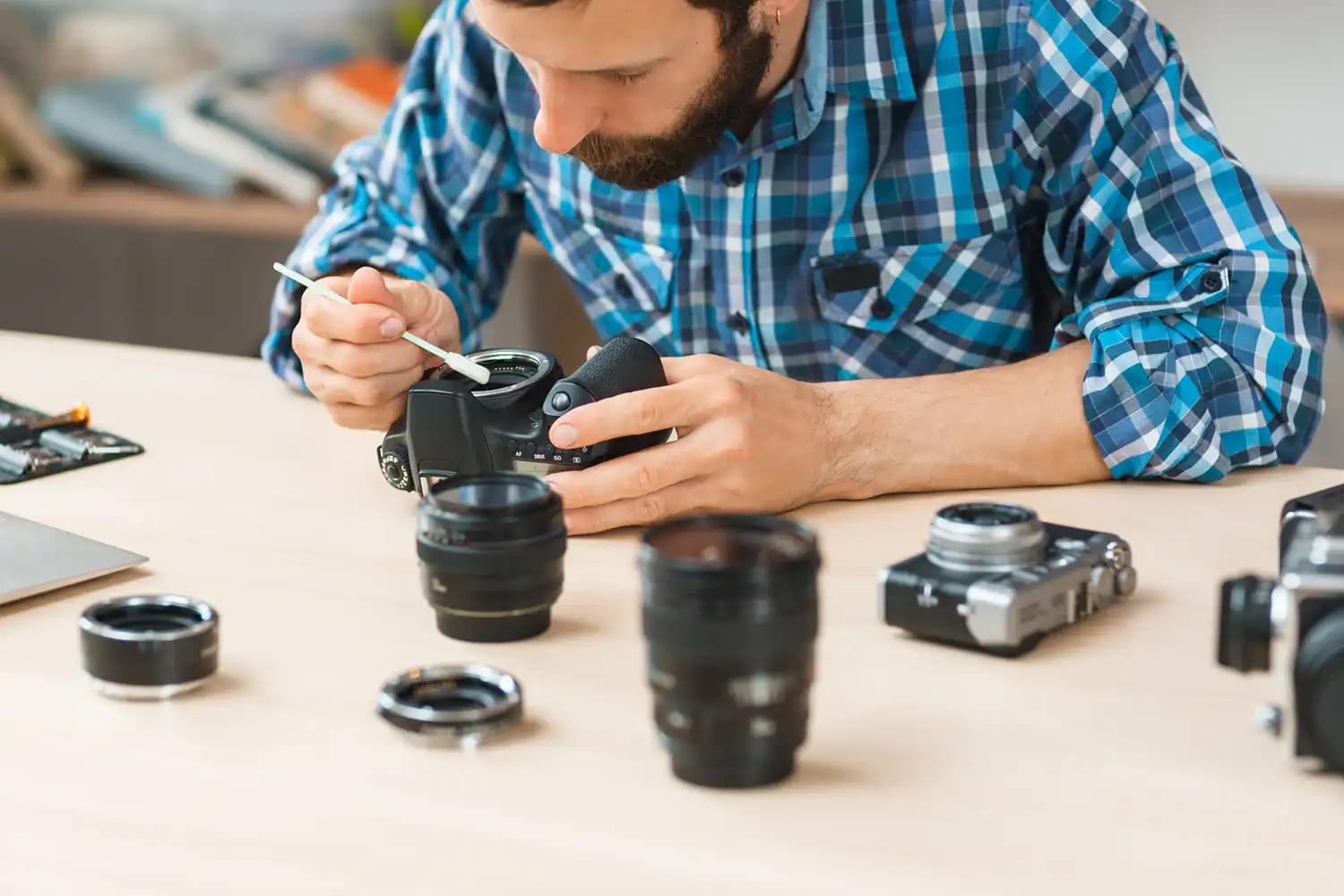
Discover the BEST way on how to clean a camera sensor using swaps, rocket blowers and pencil brushes to give your shots a dust-free finish!

Capture the magic of the night with our beginner’s guide to night photography. Learn tips and techniques for stunning results.
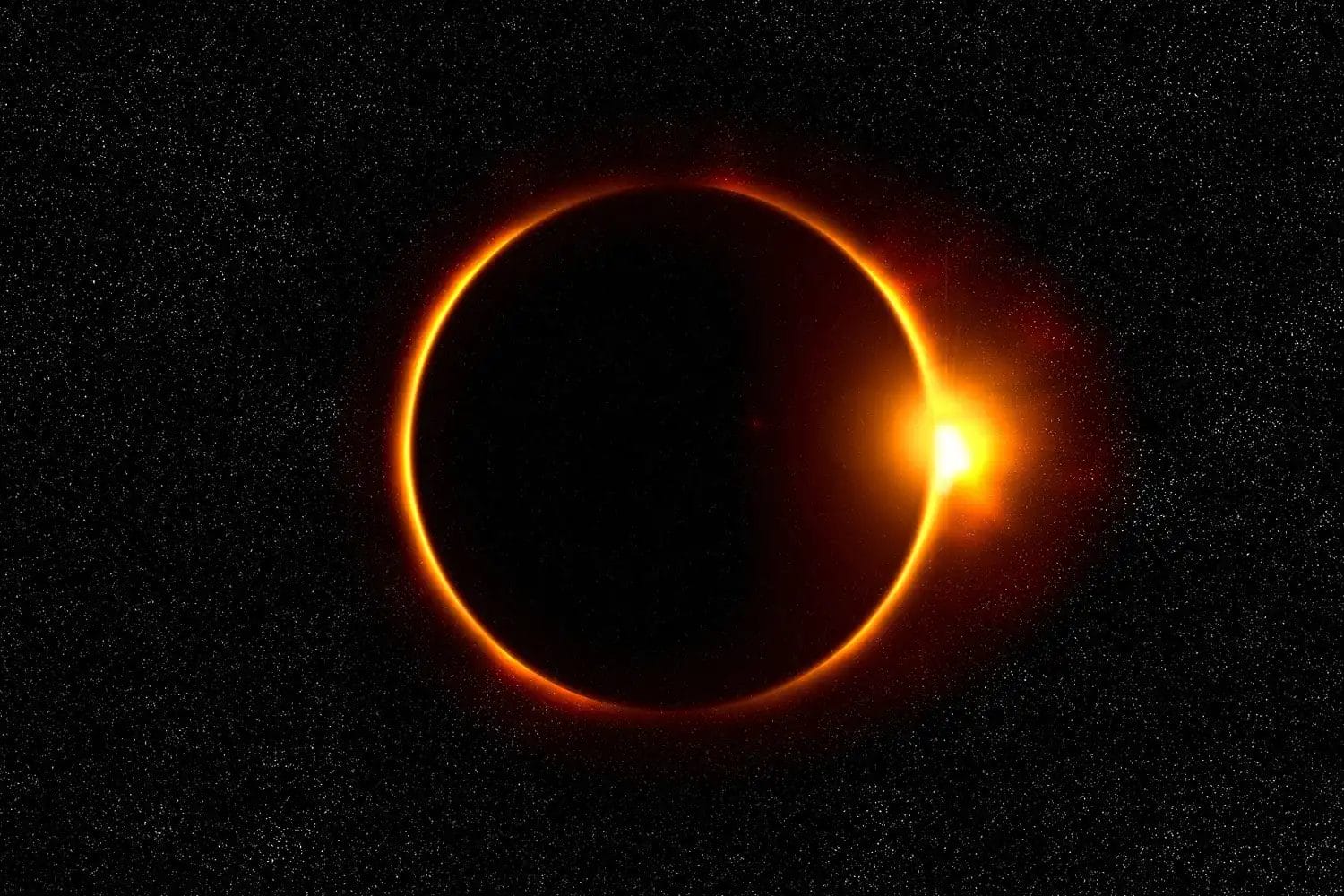
Master the art of solar eclipse photography with expert tips on equipment, settings, and precautions for stunning celestial images.
Learn the basics of photography – fast – with our FREE 60-Second Photographer online course. Each class is short and sharp with simple, actionable steps that give you immediate results.
x 30 lessons
© iPhotography™
Become a confident and competent photographer in less than 30 minutes!
Before you leave, make sure you’ve secured your FREE online photography course (worth £29.99)
Each class is just 60-seconds or less making it the fastest and easiest way to learn photography!